
















Где искать: по сайтам Запорожской области, статьи, видео ролики
пример: покупка автомобиля в Запорожье
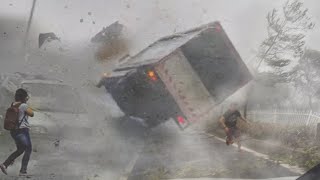
Top of Unbelievable video natural disasters caught on tape and camera. Sandstorm India
 У вашего броузера проблема в совместимости с HTML5
It is a wall of orange sand several hundred meters high, driven by powerful gusts of wind, averaging 50 knots, that can engulf and plunge the city into darkness in minutes. Residents of India and even Texas and Arizona are familiar with this spectacular phenomenon, which meteorologists call “habub”, one of the most dangerous manifestations of sand and dust storms.
director of the national weather service, lives with these dry mists of dust in the air and habubs during the monsoons: “People are used to it. Almost every year there are habubs, but more and more often. And when these sand walls appear, it’s like the apocalypse is coming.”
Only two ingredients are needed for their formation: erosion-sensitive sediments in a dry environment and strong winds.
According to researchers, about two billion tons of dust are released into the atmosphere every year, a quarter of which ends up in the oceans. Half of the lifted mass comes from the Sahara desert.
A quarter comes from the Taklamakan Desert in China and the Gobi Desert in Mongolia, as well as from the Middle East.
These dust cycles interact with other global biogeochemical cycles, including climate, oceans, and biodiversity. Dust from the Sahara, for example, fertilizes the Amazon forests. Cycles also vary in time depending on the region and human activity.