















Где искать: по сайтам Запорожской области, статьи, видео ролики
пример: покупка автомобиля в Запорожье
Turkey: 4,000 year old olive pits uncovered at archaeological site near Syrian border
 У вашего броузера проблема в совместимости с HTML5
Follow us on Telegram:
https://t.me/s/ruptlynews
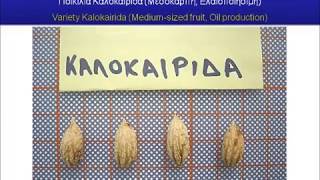
4,000-year-old olive seeds have been uncovered at an ongoing archaeological excavation at Oylum Hoyuk in Kilis located near to the Turkish border of Syrian border, as seen on Wednesday.
The olive pits extracted from Oylum Hoyuk, where the historical Fertile Crescent and Mesopotamian plains intersect, provide new information about the agricultural history of the region.
Historical excavations in Oylum Hoyuk are from the historical Bronze Age and have been continuing since 1988.
SOT, Engin Atilla, Head of excavation (Turkish): “This fertile geography is the geography where the first cities, villages, production, civilisations and cultures emerged. In this respect, this geography is a region where agriculture was first discovered.”
SOT, Engin Atilla, Head of excavation (Turkish): “Olive oil was a very valuable product in the Bronze Age. Beyond being a simple food, it is a vital product used to increase the fire of wood heat, especially in mining. Apart from this, all medicinal drugs are prepared in olive oil and turned into ointments. And more importantly, it is used in textile products. It is also a much needed product as it is used as oil lamp fuel. That’s why we call olive oil the fuel of the Bronze Age.”
SOT, Engin Atilla, Head of excavation (Turkish): “The palace is a 4,000-year-old palace, the palace was destroyed by fire. We believe this destruction was caused by an attack. Inside the palace, people were burned. We found burnt olive pits in the pots in the burned warehouses of the palace. There is a layer of ash above the palace. We encountered many burnt olive pits in the ash layer. According to the research conducted by experts, the similarities of olive pits with today’s Kilis oil olives are remarkable.”
SOT, Gamze Nur Cicek, Gaziantep University Archeology Department student (Turkish): “We have been continuing our excavations at Oylum Hoyuk since July. This year we excavated two rooms in his Middle Bronze Age palace. Many olive pits were found in the excavations. Our work continues. The emergence of olive pits shows us how old and economical olive farming is in this region.”
#Turkey #Syrianborder #olivepits
Video ID: 20211027-065
Video on Demand: https://ruptly.tv/videos/20211027-065
Contact: [email protected]
Twitter: http://twitter.com/Ruptly
Facebook: http://www.facebook.com/Ruptly