

Tuesday, 04 August, 2026г.
















Где искать: по сайтам Запорожской области, статьи, видео ролики
пример: покупка автомобиля в Запорожье
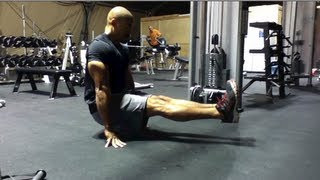
2 Tricks To Increase Muscle Size & Strength w Bodyweight Exercises Tapp Brothers
 У вашего броузера проблема в совместимости с HTML5
Download your free workout here! - http://bit.ly/access-workout Below you will find a few other articles & studies I found during further research. I highly recommend checking them out! The more knowledge you have, the easier it will be to train smart and get the results you want. You'll avoid making simple mistakes in your training that could cost you years of frustration or even injury. You can also help your friends avoid a lot of the BS out there by being a reliable source when they have questions about building strength & muscle. If this interest you, take advantage of these great resources, especially the review of studies from Strength & Conditioning Research. ...................................................................................................... ARTICLES FROM OTHER EXPERTS High Reps vs Low Reps: http://www.builtlean.com/2012/07/19/high-reps-vs-low-reps/ New study releases might show that high reps are better for muscle gains... However other experts have a different take on this study: http://www.leangains.com/2010/08/high-reps-vs-low-reps-for-muscle-gain.html SYSTEMATIC REVIEW OVER ECCENTRIC EXERCISES This was the study referenced in the video over the effectiveness of eccentric exercises: http://www.ncbi.nlm.nih.gov/pubmed/18981046 STUDIES FOR MUSCLE SIZE Review over a mass amount of studies over how to effectively increase muscle size: http://www.strengthandconditioningresearch.com/hypertrophy/#2 Here's a quoted summary from their research and current review of studies - "If you have some resistance-training experience, using higher training volume, training more regularly while spreading volume over the week, and performing more eccentric muscle actions may lead to greater hypertrophy. If you have little resistance-training experience, lifting heavier loads -greater than 65% of 1RM, training closer to muscular failure, using higher training volume, and performing eccentric muscle actions ,when using variable resistance, may lead to greater hypertrophy. Genetics appear to play an important role in differentiating between individuals who display very marked hypertrophy ,responders, and those who do not, non-responders. However, we are currently unable to identify those genes or groups of genes that are associated with responsive or non-responsive tendencies.” STUDIES FOR MUSCLE STRENGTH Review over a mass amount of studies over how to effectively increase muscular strength: http://www.strengthandconditioningresearch.com/strength/ Here's a quoted summary from their research and current review of studies - "Strength is the ability to express force through the production of joint moments. Research comparing the effects of training programs over time can help identify the fastest ways to get stronger. If you have some resistance-training experience, train with heavy loads, high volumes, long rest periods, closer to muscular failure, and using a periodized routine. If you have little resistance-training experience, train with heavy loads, high volumes, long rest periods, fast bar speeds, closer to muscular failure, larger ranges of motion, and using a periodized routine. The peripheral factors that might affect strength gains include: hypertrophy, myofibrillar packing density, extracellular lateral force transmission, fiber type shifts and regional hypertrophy. The central factors that might affect strength gains include: inter-muscular co-ordination and motor unit firing frequency."
Теги:
tapp brothers bodyweight exercises how to increase muscle mass how to get bigger muscles how to get strong with bodyweight
Похожие видео
![Fix Your Knee Pain - Do These 4 Exercises [In Home]](/images/mq/3/87/0NR34xTc2w9v-4.jpg)


Мой аккаунт