

Thursday, 04 June, 2026г.














Где искать: по сайтам Запорожской области, статьи, видео ролики
пример: покупка автомобиля в Запорожье
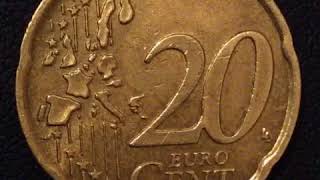
20 Euro Cent Coin :: Estonia 2011
 У вашего броузера проблема в совместимости с HTML5
20 Euro Cent Coin :: Estonia 2011 (Estonian Twenty Euro Cent Coin - Estonia/Eesti 2011) Obverse: Relief silhouette of Estonia. €0.20 Coin - Coins. 20c Notes: Estonian euro coins feature a single design for all eight coins. This is a design by Lembit Lõhmus and features a silhouette map of Estonia together with the word Eesti (Estonia) and twelve stars, symbolic of the European Union, surrounding the map. This was the winning design in a public vote of ten announced in December 2004. Estonian euro coins entered circulation on 1 January 2011. Estonia is the fifth of ten states that joined the EU in 2004, and the first ex-Soviet republic, to join the eurozone. Of the ten new member states, Estonia was the first to unveil its design. It originally planned to adopt the euro on 1 January 2007; however, it did not formally apply when Slovenia did, and officially changed its target date to 1 January 2008, and later, to 1 January 2011. On 12 May 2010 the European Commission announced that Estonia had met all criteria to join the eurozone. On 8 June 2010, the EU finance ministers agreed that Estonia would be able to join the euro on 1 January 2011. On 13 July 2010, Estonia received the final approval from the ECOFIN to adopt the euro as from 1 January 2011. On the same date the exchange rate at which the kroon would be exchanged for the euro (€1 = 15.6466 krooni) was also announced. On 20 July 2010, mass production of Estonian euro coins began in the Mint of Finland. 2012 coins were produced by the Royal Dutch Mint, having won the production bid. ---------------------------- The euro coin series comprises eight different denominations: 1, 2, 5, 10, 20 and 50 cent, €1 and €2. The euro coins have a common side and a national side. The national side indicates the issuing country. The common sides of the coins were designed by Mr Luc Luycx of the Royal Belgian Mint. They show images of the European Union or of Europe and symbolize the unity of the EU. The 5, 2 and 1 cent coins show Europe in relation to Africa and Asia on a globe. You can use any euro coin anywhere in the euro area. €2 commemorative coins Each country may issue two commemorative coins per year. These coins have the same features and properties and the same common side as normal €2 coins. What makes them different is their commemorative design on the national side. Only the €2 denomination can be used for commemorative coins. They are legal tender throughout the euro area. That means they can be used – and must be accepted – just like any other euro coin. Each country may issue two commemorative coins per year. These coins have the same features and properties and the same common side as normal €2 coins. What makes them different is their commemorative design on the national side. Only the €2 denomination can be used for commemorative coins. They are legal tender throughout the euro area. That means they can be used – and must be accepted – just like any other euro coin. Most of these coins commemorate the anniversaries of historical events or draw attention to current events of historic importance. The very first €2 commemorative coin was issued by Greece to commemorate the Olympic Games in Athens in 2004. Designing and issuing the coins is the competence of the individual euro countries. The ECB’s role regarding the commemorative but also all other coins is to approve the maximum volumes of coins that the individual countries may issue.
Теги:
20 Euro Cent Coin Estonia 2011 Estonian Twenty Euro Cent coins numismatics twenty euro cent coin novac currency Pink money 0.20€ 0.2€ Coin gold silver UNC uncirculated denomination sexy purple violet Heidi pink lips Europe collecting attractive beautiful coin collection 1080p Video platinum Titanium metal 20 euro centa hot girl girls hot pink Euro Coins Eiro monētas Монеты евро Eesti euro coin seksikas fishnet tights stockings collector commemorative деньги нумизматика
Похожие видео
Мой аккаунт