

Wednesday, 29 July, 2026г.











Где искать: по сайтам Запорожской области, статьи, видео ролики
пример: покупка автомобиля в Запорожье
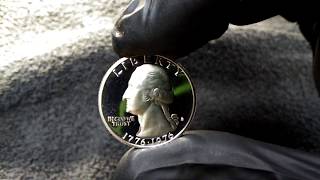
2009 D.C. Quarter- 3 Known Double Die Errors To Look For
 У вашего броузера проблема в совместимости с HTML5
The District of Columbia quarter reverse features native son Duke Ellington, the internationally renowned composer and musician, seated at a grand piano.
Edward Kennedy "Duke" Ellington was born into a middle-class family in Washington, D.C., in 1899, and started piano lessons at the age of seven. He lived in Washington until 1923, when he moved to New York City. He began performing professionally at the age of 17, and once he arrived in New York, started playing in Broadway nightclubs and eventually led his own band. Ellington made hundreds of recordings—some with John Coltrane, Billy Strayhorn, Louis Armstrong and Ella Fitzgerald—making him famous worldwide. Throughout his 50-year career, he returned often to Washington to perform, frequently staying at the Whitelaw Hotel located in his boyhood neighborhood in Washington. Throughout his life, he received numerous awards and honors, including multiple Grammy® awards and the Presidential Medal of Freedom in 1969 in honor of his ability to carry the message of freedom to all the Nations of the world through his gift of music and understanding.
The District of Columbia Quarter Design Advisory Committee, established by Mayor Adrian M. Fenty, solicited and reviewed reverse design narratives from the public, narrowing more than 300 down to three, which were sent to the United States Mint for artistic renderings. The three narratives each included an individual from a different century: Duke Ellington; Benjamin Banneker, who assisted with the original D.C. boundary survey; and Frederick Douglass, the renowned abolitionist and statesman. The artistic renderings were then proposed to the District, and the Duke Ellington design was recommended through a public vote, with the Secretary of the Treasury approving the design on July 31, 2008.
Теги:
2009 quarter value 2009 quarter error d.c. quarter rare quarters quarters worth money state quarters d.c. quarter value duke ellington quarter duke ellington quartet duke ellington quarter error
Похожие видео

Мой аккаунт