

Thursday, 06 August, 2026г.











Где искать: по сайтам Запорожской области, статьи, видео ролики
пример: покупка автомобиля в Запорожье
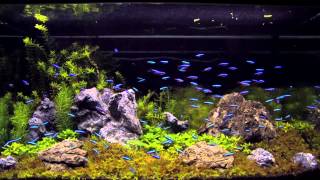
Aquascaping Lab - Fish Diseases, how to spot and cure (Ick,ragged tail fin,columnaris,Dropsy)
 У вашего броузера проблема в совместимости с HTML5
SUBSCRIBE NOW ON YOUTUBE CHANNEL: https://www.youtube.com/channel/UCoz2dILx6lUTp6l_9wtjvIw FACEBOOK: https://www.facebook.com/AquascapingLab.info TWITTER: https://twitter.com/AquascapingLab INSTAGRAM: https://instagram.com/aquascapinglab/ Aquascaping Lab by Tommaso Perini feat Serena Sacchi present a video tutorial of most popular fishes deseases, how you can to spot, diagnose and cure your animal's deseases: - COLUMNARIS (Cotton Wool Disease) Flexibacter columnaris: Grayish-white film on skin, damaged fins, ulcers, yellow to gray patches on gills, tissue on head may be eaten away. Must be treated immediately with Over-the-counter antibiotic medications. Very contagious disinfect tank, rocks, net, etc.. - DROPSY Birnavirus,Pseudomonas,Corinebacterium: A bacterial infection of the kidneys, which causes fluid accumulation or renal failure. It appears to create problems only in weakened fish. May stem from untidy aquarium conditions .External treatments are challenging; preventative care with regular water changes, maintaining ideal aquarium chemistry and adding aquarium salt is highly recommended. Antibiotic injections or feed are most effective. - HOLE DISEASES Hexamita salmonis, Spironucleus elegans:The signs include pitting-type lesions on the head and lateral line. The condition may be mild at first, but if changes to the environment and treatment are not initiated, the holes will become larger and secondary bacterial and fungal infections will develop. These lesions can eventually create a severe infection and the fish becomes systemically ill with loss of appetite and death. Because there may be multiple causes of this disease, the treatment usually consists of taking a multi-faceted approach. The goal is to rid the fish of Hexamita, improve water quality, and improve vitamin/mineral supplementation and nutrition.A common treatment for infection with Hexamita includes the addition of the antibiotic metronidazole to the treatment tank housing the infected fish. Water quality must be closely watched, and the water quality adjusted to the exact standards required for the fish. Improving nutrition by adding fresh or frozen meaty foods or vegetables in the form of seaweed strips or lightly steamed broccoli may help. Make sure to target the nutrition to the species you are treating. For example, some cichlids are primarily vegetarians, whereas oscars are carnivores. In cases where secondary bacterial infections are present, additional antibiotics such as Maracyn, Kanacyn, or Furan may be needed. When treating this or any disease, try to use a separate treatment tank and treat as soon as the first symptoms appear. - ICK, WHITE SPOTS Ichfhyophthirius multiphliis: shite spost on all body, Usually attacks fish that are stressed, which can be caused by factors including rapid temperature and pH fluctuations. conduct a partial water change between treatments. Repeat until symptoms clear. Secondary infections are also common and can be treated with antibiotics. Consistent temperature 30/32°c and good water quality will help prevent infections, in addition to using aquarium salt. - RAGGED TAIL FIN: A bacterial infection may cause this tail and fin rot in susceptible fis those who are bullied or injured by fin nipping tank mates especially in aquariums with poor conditions.First test the aquarium water to review overall water quality and conduct a partial water change to ensure healthy conditions. If the clamped fins are the result of infections use a antibiotics treatment. - SKIN MYCOSIS Saprolegnia, Achlya, Dictyuchus: withe fluff on skin, you can cure with antifungals product. ENGLISH: Aquascaping Lab is a channel dedicated to the world of aquariums, where you can find tutorials, reviews, tips and experiences shared by experts in the field of aquascapinga.The topics covered are: - Aquascaping in oriental design (Takashi Amano style), various habitats and fitting procedure illustrated by means of tutorials. Productions of marine aquariums, tropical and Mediterranean. - Description and sheets of fish crustaceans molluscs invertebrates and corals in saltwater and freshwater. - Description and data sheets of plants and mosses. - Review of technical material and products as Askoll Sera, Ehiem, Tetra, JBL, Friskies and others. - Tips and tricks for starting, cleaning and maintenance of an aquarium: sheets of the materials used.
Теги:
Aquascaping Lab acquario tank tutorials recensione consigli acquaristica design orientale biotopi allestimenti tutorial marino tropicale acqua piante askoll sera ehiem tetra Jbl friskies aquariums reviews fish freshwater maintenance Ick ragged tail fin columnaris Dropsy Fish Diseases how to cure Diagnosis: Murder (TV Program)
Похожие видео
Мой аккаунт