

Thursday, 04 June, 2026г.














Где искать: по сайтам Запорожской области, статьи, видео ролики
пример: покупка автомобиля в Запорожье
Arizona
 У вашего броузера проблема в совместимости с HTML5
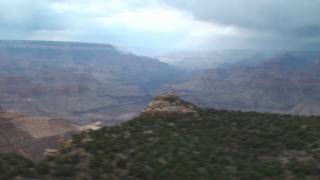
Join James Hill, intern at the U.S. Embassy, talking about Arizona, the Grand Canyon State. Learn about Hopi kachina dolls and religion and find out which five Cs represent Arizona's economy. Transcript: Hello, my name is Cody Hill. I would like to share some information with you about the state I was born in, Arizona. Before the first Europeans set foot in what would be known as Arizona, the land was inhabited by many different tribes of people. The Navajo, Hopi, Apache, and Pima are just four of the twenty-one federally recognized tribes of Arizona. When my father was 2 years old, his family moved to Keams Canyon, Arizona. It is located on the Navajo Nation Indian Reservation, in north-eastern Arizona. He lived there until he was 17. During these 15 years, the Hill family became very close to the Navajo, Hopi and Tewa people. My grandfather, or Papa, as I have always called him, ran the trading post, gas station, and service station. My grandmother ran the motel. Before they left Keams Canyon, in 1975, both the Navajos and Hopis gave speeches of gratitude for Papa's 15 years of loyal service to the people, tribes, and community. To this day my grandparents' house is adorned with decorative pots, beautiful weaves, intricate sand paintings, and a handful of Kachinas. That was one aspect of Arizona that both frightened and fascinated me. While visiting my grandparents as a boy, I would fall asleep in the shadows of the kachina dolls they had on display in their living room. In my sleep these dolls would come to life and pursue me. When I woke up, the kachinas were back on the mantel and I would ask Papa about how he got them and what each one represented. The kachinas that scared me as a boy are wooden representations of forces of nature, revered ancestors, or important historical events. They are used to teach children religion and history. People also dress up as kachinas to perform religious ceremonies. The Hopi religion, which incorporates many kachinas into its belief system, is based around the goal of becoming in harmony with the instructions of the Creator of the Earth. This involves having complete reverence and respect for all things. Let me now tell you a little bit about how Arizona got to where it is today. Arizona's economy has been based upon their 5 Cs; copper, cattle, cotton, citrus, and climate. Copper is still an important industry for Arizona today. It produces 2/3 of the nation's supply of copper. The cattle industry dates back to the 1690s with Spanish ranchers. During the Civil War, many Texas ranches were over grazed. Consequently, ranchers moved their cattle over to Arizona. Interestingly, the first woman to sit on the US Supreme Court, Sandra Day O'Connor, grew up on a ranch in south-eastern Arizona. Cotton became a booming industry for Arizona once advanced irrigation systems were introduced. At one point, Arizona was the nation's largest producer of cotton. Papa even spent ten years of his life, "keeping the iron in the field" as he put it. He was a mechanic in charge of keeping 6 cotton pickers, 8 tractors, 4 semis and a few trucks running. Arizona is one of the four states in the US with significant citrus production. I have fond memories of picking grapefruits from my grandparents' yard to enjoy for breakfasts. Arizona's climate and natural wonders make it a very attractive destination for tourists and retirees. Arizona is no doubt best known for the Grand Canyon. Formed by the Colorado River, this natural wonder of the world is about 17 million years in the making. Its 277 miles long, about 1 mile deep, and in some places up to 18 miles wide. About 5 million tourists come to visit the Grand Canyon every year. The Grand Canyon became a national park in 1919; just seven years after Arizona became a state. Arizona was actually the 48th state to enter the union and the last of one in the contiguous United States. Arizona has the 16th largest population of the 50 states and is the 6th largest state. Over a quarter of the state is reservation lands. Some every famous people have called Arizona their home. The renowned architect Frank Lloyd Wright spent the last 22 years of his life in Scottsdale. Emma Stone didn't move from Phoenix to Hollywood to launch her acting career until she was 15. Steven Spielberg discovered his love for making movies while working on a Boy Scout merit badge in Arizona, where he spent the majority of his childhood. The famous civil and workers' rights activist, Cesar Chavez was also from Arizona. For more information on Arizona, simply visit Arizona.gov. I hope you have enjoyed this brief overview of the Grand Canyon State. Make sure to come and visit sometime soon.
Теги:
visdip Hopi Navajo Apache Pima Arizona (US State) Phoenix kachina Grand Canyon Keam's Canyon Trading Post reservation land Frank Lloyd Wright Emma Stone Steven Spielberg Cesar Chavez Cody Hill Alexander Slabihoud copper cattle cotton citrus climate Natural Wonder Sandra Day O'Connor United States Native American
Похожие видео

Мой аккаунт