

Friday, 31 July, 2026г.
















Где искать: по сайтам Запорожской области, статьи, видео ролики
пример: покупка автомобиля в Запорожье
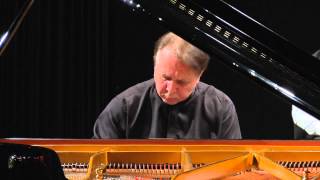
Beethoven: Piano Concerto No.4 in G (Pletnev)
 У вашего броузера проблема в совместимости с HTML5
An enthralling (live) performance of Beethoven’s most innovative and important Piano Concerto. A lot has been written about the things that make this concerto one of the pinnacles of the genre: the daring (and still rarely deployed) device of opening with the piano, the prayer-like character of the first movement’s main theme, the wizardry of the orchestral restatement that begins on the same note as the piano’s opening but in the distant key of the median and drops as if by magic through the circle of fifths, the focus throughout the first movement on distant keys, the narrative drama of the second movement, and so on. All of which is very true.
But one thing that is sometimes noticed but not often discussed is the 4th Piano Concerto’s improvisatory nature. The clues are quite obvious – the tentative opening, the eingang-like passage that precedes the piano’s (proper) entrance at 2:42, the frequent cadenza-like passages, the trills (the trills!), the unusually broad array of pianistic textures, and so on. It is this improvisatory element, an element of hushed freedom, that comes across very clearly in Pletnev’s playing. He creates truly remarkable in-the-moment textures: the sharpness of attack, for instance, in the rapid passages, (see 4:11) and the fluid single-gesture treatment of scales, starting from the one in the piano’s opening (see also 2:53, etc). Pletnev also varies tempo quite drastically – most obviously in the two cadenzas (both Beethoven’s), but also in the opening passage (the drastic ritardando in the half-cadence), and throughout the performance when he transitions between different pianistic textures. While I tend to be a little suspicious tempo changes, Pletnev’s decisions consistently enhance the music, largely because this concerto breathes such a naturally episodic or narrative air.
00:00 Movement 1: Gorgeous shading and incredibly lively playing. While most pianists emphasise the worshipful or confessional nature of the opening, Pletnev teases from it a gently exultant character. There are some transcendental moments, such as at 8:57.
19:23 Movement 2: While the rest of the concerto is treated quite playfully, this movement is pure despair. The performance is near-perfect: the harsh weight of the orchestra’s opening, and the piano’s reply crushed and shapeless underneath it, as if dead – and how eventually, somehow, the piano finds a melody that leads into an anguished trill. Pletnev’s rendition of the last section of this movement seems to stop time.
24:23 Movement 3: A real exercise in joie de vivre. Pletnev adds some unique touches of his own: see the big whomping chord at 31:43, or the burbling scales at 32:14.
Теги:
Beethoven Concerto No.4 Pletnev Waldstein Piano Orchestra Romantic Classical Score Sheet Music Scrolling Brendel Zimerman Concerto (Composition Type) Plays Mikhail Pletnev (Musical Artist)
Похожие видео
Мой аккаунт