

Friday, 10 July, 2026г.


Где искать: по сайтам Запорожской области, статьи, видео ролики
пример: покупка автомобиля в Запорожье
Burning Of The White House
 У вашего броузера проблема в совместимости с HTML5
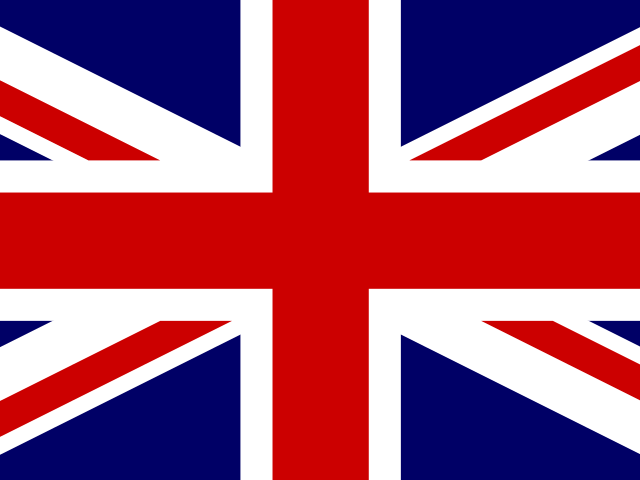
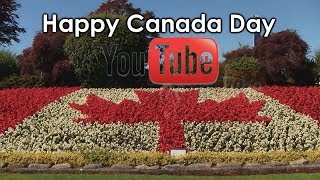
On August 24, 1814 British Infantry burn the White House in retaliation of U.S invasion forces looting and arson attack of York and it's parliament buildings— York the capital of Upper Canada (present day Toronto) at the time on April 27, 1813. The British considered it an act of retribution against U.S depredations on Canadian non-combatant civilians and private property, as such acts at the time were considered to be against the laws of war. The United States under the presidency of James Madison declared war in 1812 on the United Kingdom of Great Britain & Ireland and hoped to annex the Crown's Northern American territories (now Canada) as part of their war effort. It's perhaps considered one of histories most tragic somewhat forgotten war as it pitted fellow Christian frontier and first-nation peoples against each other, (Canadians and Americans). The Americans sort for the annexation of Canada to bring the territory into their brand of freedom and liberty from the Crown, Canadians on the other hand saw it as an invasion of their freedom and liberty and welcomed the Crown and/or any first-nation peoples as allies in defence of her territory. The battle of North America (war of 1812) ended with the signing of the Treaty of Ghent ratified by US Congress in February, 1815 (see: http://en.wikipedia.org/wiki/Treaty_of_Ghent) Winners and Losers? Canadians see it as a victory given that the U.S annexation of Canada failed and they where able to defend their territory, their liberty and freedom against the invading U.S force. Americans see it as a victory as their newly formed navy ships although small in numbers proved to be more than formidable against Imperial enemy attacks. The battle of New Orleans proved to be a decisive victory for the U.S as they where able to repel an invading British army strengthening their identity as an equally capable if not greater fighting force to be reckoned with. First-nation Indian people on the other hand where left displaced after failure of British negotiations during the Treaty of Ghent to bargain with the U.S an establishment for an Indian territory, the Americans resolutely refused to agree, only accepting the territorial status-quo before the war for Indian settlement at most. ============================================= Cinematography: Customized mesh-up from various reenactments from war 1812 documentaries. For video imagery and effect I utilized Windows MovieMaker and open source editors from the web. Music: The Riddle by Nik Kershaw. Although he states the song has no meaning simply being a "guide vocal" thrown together to fit the music it's lyrical flow seems to hauntingly match the passage of events transpiring in the war of 1812. Maybe this is pure serendipity but it indeed makes one wonder if it influenced some of the song's lyrical creativity. ============================================= ★★FAIR USE RATIONALE★★ Although video and audio is subject to copyright, its use is covered by the U.S fair use laws because: #The nature in which this work is presented is both purely non-profitable, non-commercial and solely educational in nature. #The use of this material will not affect the value of the original work or limit the copyright holder's rights or ability to distribute the original media. #It is not used in such a way that the viewer would be confused into believing that this work is written or authorized by the owners of the original media. #This presentation is highly transformative in nature and emphasizes an educational aspect about the nature of the material presented. ============================================= ★DISCLAIMER★ I do not own the visual or audio material within this video, I am not a financial partner of Youtube and I do not earn financial profits from this media. All credits go to the respective owners. Thx for watching, Peace and Respect to All !! :)
Похожие видео

Мой аккаунт