

Friday, 21 August, 2026г.
















Где искать: по сайтам Запорожской области, статьи, видео ролики
пример: покупка автомобиля в Запорожье
Chef turns to food in the Bible for inspiration
 У вашего броузера проблема в совместимости с HTML5
(15 Dec 2015) LEAD IN
An Israeli chef is turning to the Bible for culinary inspiration.
His 21st century menu includes many fruits and vegetables that first graced tables thousands of years ago.
STORY-LINE
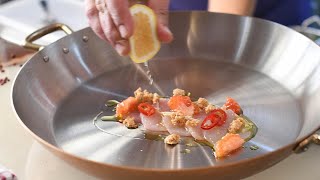
At his "Eucalyptus" restaurant kitchen in Jerusalem, Executive Chef Moshe Basson is making pesto from an unlikely ingredient.
Forgoing traditional basil and pine nuts, Basson crushes fresh walnuts with leaves of hyssop, a herb used in Middle Eastern cuisine and known as za'atar in Arabic.
Hyssop is referred to in the Bible, which gains its special place in Basson's menu. Most dishes at "Eucalyptus", from entrees to dessert, are inspired by foods from the Bible.
Figs, freekeh (smoked wheat), pomegranate and dates are some of the ingredients from biblical times and form the basis of Basson's cuisine.
"The Bible is not a cooking book, but there is a lot of food in the Bible. So one of the things that is very special and very, very, very biblical is hyssop, 'ezov' or 'za'atar' in Arabic that was the brush of the Israelites; when they're leaving Egypt they're marking the door with the blood of the lamb of the Passover (note: Passover is the weeklong Jewish commemoration of the deliverance of the ancient Hebrews from slavery in Egypt). We're using all the 'seven species' (such) as wheat, barley, grapes for wine, olives, figs, pomegranate and dates", Basson explains.
In addition, Basson's food is kosher as it follows biblical dietary laws that govern what Jews may or may not eat.
Basson grew up in Jerusalem and is from a family of Jewish Iraqi immigrants. He says that his cuisine is that of biblical stories of battlefields, temples and mighty figures of legend, like David and Goliath.
"We are using and showing the connection between cous cous and the semolina that was served as a vegan offer at the (Jewish) Temple (in Jerusalem). We will use the freekeh and we will mention that freekeh is the 'karmel' in the Bible, this green, smoked wheat that young David take it (sic) as a take-away for his brothers in the battlefield and then he's killing Goliath", Basson says.
"Eucalyptus" is a kosher meat restaurant, meaning that no dairy products enter its kitchen nor are used in any of the dishes prepared there. And that attracts Orthodox Jewish customers, like Francis and Yehuda Neumark.
Francis Neumark, having just tasted a dish offered to her by Basson, says that an adventurous attitude is key to enjoying the chef's food.
"You have to be a little daring, willing to try something new; even their ice tea has a very different blend than we're used to, but it's exciting to have something new and different", Francis Neumark explains.
Basson's biblical-inspired ingredients are cooked together with more modern ones, such as tomatoes, eggplant or chocolate that made a much later appearance on Middle Eastern tables.
But the chef stresses that, even if his meals were made with ingredients taken entirely from the Bible, the departure from what is eaten today wouldn't be so dramatic.
"Some people will think that biblical food is sort of weird and... but, in most (of) the cases you have to take the adventure of entering to that because you don't know. But the moment that you are there, it's the food of mothers in the Middle East; mothers and grandmothers in general. Even when the ingredients are strictly biblical, it's still food", Basson explains.
The eatery borrows its name from a eucalyptus tree that Basson planted in the 1960's near his family home; years later, on that site the Basson family opened its first "Eucalyptus" restaurant.
Basson, a plant expert, says that although he's been in the business for twenty-seven years he continues to draw constant inspiration from the Bible.
You can license this story through AP Archive: http://www.aparchive.com/metadata/youtube/9d74631e7f082683009b97465ea612f3
Find out more about AP Archive: http://www.aparchive.com/HowWeWork
Теги:
AP Archive 4016068 9d74631e7f082683009b97465ea612f3 (HZ) Middle East Biblical Food Jerusalem Middle East Israel Animals Lifestyle Business Social affairs
Похожие видео



Мой аккаунт