

Friday, 14 August, 2026г.













Где искать: по сайтам Запорожской области, статьи, видео ролики
пример: покупка автомобиля в Запорожье
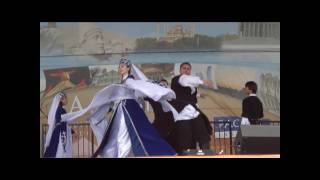
Circassian/North Caucasian Horsemanship of a century ago
 У вашего броузера проблема в совместимости с HTML5
Rare footage of North Caucasian horsemanship from (19 May) 1911, during the celebrations of the 100th Anniversary of the establishment of the Russian Imperial Bodyguard. Imperial Village, St. Petersburg.
Music from the musical repertoire of the State Academic Dance Ensemble "Kabardinka".
Circassian Horsemanship [Адыгэ шууеигъэ]
Equestrian competitions (щыуджэгу; shiwjegw; Adigean) were occasions for the village heroes to show off their riding skills. Intrepid horsemen (шууей; shuwey) rode their mounts in all positions: upright or clinging to the horse’s side, in simulation of battle manoeuvres. They had the uncanny ability to crawl under the belly of the mount, at full gallop, a manoeuvre called “shinibech’epsh” («щыныбэкIэпщ») (Adigean), to confound the enemy. They performed daredevil feats, picking up whips and other articles (щыуеIэбых; shiwye’ebix; Adigean) and hitting eggs (jedich’eyewe) placed on the ground at breakneck speed. A special kind of trick riding, “shurelhes” (literally: mounting-dismounting), in which a horseman, at full tilt, leapt off and then back on his horse, was also part of their repertoire. In “pi’ezef’eh” («пыIэзэфIэхь»), an equestrian game that required considerable strength and high skill, a group of horsemen snatched away a cap (пыIэ; pi’e) from one another, the object of the game being to carry it away. There were many versions of this sport, which is still played to this day. North Caucasian “dzhigits”, or horse-born warriors, are still known for these equestrian skills.
Target shooting games were a mandatory component of trick-riding. The game of “shooting the eggs” («джэдыкIэеуэ», in Kabardian; «кIэнкIэео», in Adigean) was mainly associated with the wedding ceremonies. The path of the escort of the bride to the groom's house during wedding merrymaking was blocked by relatives of the bride, daring the valiant riders accompanying the bride to shoot eggs spread out on the ground with their hand guns at full gallop. They were not allowed to proceed until all the eggs have been smashed. The “right of passage” of the bridal procession was contingent upon successfully performing the “rite of passage”. So, it was a good idea to include a goodly number of sharpshooters when dispatching a delegation to escort the bride. According to the Circassian ethnographer and anthropologist Beresbiy Bghezchnoqwe (Бгъэжьнокъуэ Бэрэсбий), breaking eggs symbolized “the transition from Chaos to Cosmos, or Order”, and the spilled mass of eggs was considered as conducive to enhanced fertility of Mother Earth.
Теги:
Circassian horsemanship Circassian horsemen Russian Imperial Bodyguard Circassian trick riding
Похожие видео

Мой аккаунт