

Thursday, 02 July, 2026г.
















Где искать: по сайтам Запорожской области, статьи, видео ролики
пример: покупка автомобиля в Запорожье
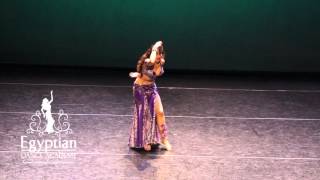
Moaxaja Mala Al Kassat
 У вашего броузера проблема в совместимости с HTML5
By the Al Turath Ensemble & Mohammed Hammadye
Recorded: Aleppo, Syria (2002)
Review [Em Marshall, MusicWeb International]:
The Moaxaja is a form of Arabic song -- the word referring to both the music and the text. The programme notes for this disc, Hermana de la Luna, tell us that the word actually means "hair accessory with pearls and precious stones"! The Moaxaja poetry is a very free form -- it broke away from the strict classical metres to enable a closer and freer alliance between the rhythms of the words and the music. The Moaxaja form comes from Al Andalus but it was so popular that it spread to the Orient. Collections of Moaxaja were compiled as early as the twelfth century, and the form underwent a revival in the nineteenth century -- interest in it has continued ever since.
The wasla -- programme, or series of musical pieces (such as forms a disc, as here) - opens with a samai -- an Ottoman instrumental 'overture', which is followed by several Moaxaja. On the disc also, we also find examples of taqsim, where an instrumental soloist improvises within a set of musical rules and a mawwal -- a song in Arabic dialect, while the qasida is the focal point of the disc - a long metric poem in classical Arabic, which includes vocal improvisations. The second half of the wasla is comprised of qadds (and in fact, the disc ends with a quad). The Qadd is a form of simple and light song based on the Moaxaja, but in the Aleppo dialect. Aleppo was one of the stages on the Silk Road route and on the way to Mecca. Moaxaja flourishes there to this day.
The works are performed with verve, understanding, knowledge and pizzazz by Al Turath -- a very traditional and important group of Syrian musicians -- under the confident direction of Mohamed Hammadye. The group includes some good, strong voices, and gives proficient, sometimes quite virtuosic performances. The disc itself is attractively presented, particularly the cover with its beautiful Arabic paintings. The notes are informative, though slightly on the brief side, and the words and translations of the songs are most welcome. Overall, an excellent and most interesting disc.
Em Marshall, MusicWeb International
Copyright Disclaimer Under Section 107 of the Copyright Act 1976, allowance is made for "fair use" for purposes such as criticism, comment, news reporting, teaching, scholarship, and research. Fair use is a use permitted by copyright statute that might otherwise be infringing. Non-profit, educational or personal use tips the balance in favor of fair use
Теги:
Al Andalus Muwashshah (Poetic Verse Form) Arabic Music Bellydance Andalusia muwashah Spain Aleppo (City/Town/Village) Syria Andualisan Sufi Qanum Middle Eastern Flamenco Syrian Ghazal Oud Oriental Spiritual Moaxaja Classical Arabic Music Arab
Похожие видео



Мой аккаунт