

Sunday, 07 June, 2026г.
















Где искать: по сайтам Запорожской области, статьи, видео ролики
пример: покупка автомобиля в Запорожье
Moon Shots Program 1-year milestones
 У вашего броузера проблема в совместимости с HTML5
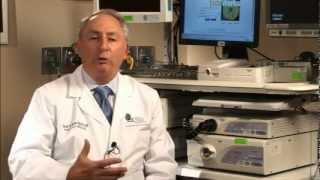
A year after its launch, The University of Texas MD Anderson Cancer Center Moon Shots Program propels innovative approaches to cancer prevention and cancer treatment fueled by exceptionally broad collaborations and underpinned by state-of-the-art resources.
"Six moon shots targeting eight types of cancer forged ahead in the past year with new efforts in prevention, family cancer risk assessment, treatment resistance research and innovative clinical trials, just to name a few," said MD Anderson President Ronald DePinho, M.D. "In these earliest days of the moon shots, we already see a trajectory for tremendous progress in the years to come."
http://www.cancermoonshots.org/
Moon shots for specific cancers have launched a variety of "flagship" programs and others are in development. While all of these will examine new paths to treatment, projects in prevention and family risk assessment efforts also are under way. (For a comprehensive flagship see attachment.)
- Melanoma Moon Shot physicians and behavioral scientists served as clinical and scientific resources for legislators as part of a broad coalition interested in a ban on tanning bed use by teenagers under the age of 18. The move is expected to significantly reduce skin cancer risk as the use of tanning beds before age 18 increases a person's risk of melanoma by 85 percent. This year, Texas became the fifth of six states to enact such a ban, which took effect Sept. 1.
- The Breast and Ovarian Cancer Moon Shot offers genetic testing for BRCA1 and BRCA2 to all women with triple-negative breast cancer or high-grade serous ovarian cancer. It combines the test with outreach to family members that includes counseling, screening and prevention for relatives who might be at high risk for either cancer. A personalized surgical approach for patients with high-grade serous ovarian cancer also has been launched.
- Myelodysplastic Syndromes/Acute Myeloid Leukemia Moon Shot is conducting research to understand how resistance to an important class of drugs called hypomethylating agents develops in MDS and how it might be overcome.
- Chronic Lymphocytic Leukemia Moon Shot will soon open a 200-patient clinical trial to test the promising experimental drug ibrutinib with or without the existing antibody rituximab to further understand the way both drugs work against CLL. This trial also will evaluate how CLL cells behaved and changed before and after treatment.
- Lung Cancer Moon Shot has launched its Genomic Marker-Guided Therapy Initiative (GEMINI) to extend groundbreaking MD Anderson research in targeted therapy that will identify new targets and drugs to hit them for more effective, personalized therapy.
- Prostate Moon Shot investigators have identified a subset of patients with treatable prostate cancers who are candidates for a "curative intent" study. So far 40 men have been treated in a targeted therapy clinical trial.
The Moon Shots Program has received more than $139 million in private philanthropic commitments. The remarkable accomplishment of this milestone within the program's first year underscores the generosity of MD Anderson supporters and their confidence in this accelerated effort to conquer cancer.
MD Anderson also has added a number of platforms -- expertise, infrastructure and technology -- to not only enhance the efforts of the moon shots but also serve the entire institution. New platforms include:
- Big data storage and analytic capabilities via Oracle technology
- Immunotherapy, an up-and-coming field capable of striking many cancers
- Cancer prevention and control, supporting prevention, early detection, public policy and public outreach
- Proteomics, development and validation of biomarkers to guide treatment decisions
- Drug development and co-clinical trials through the Institute for Applied Cancer Science
A pilot project is under way for a new system that combines data from 1 million past and current patients with a massive library of institutional cancer research into a huge, secure database, and then applies cutting edge big data analytics to pluck new insights from the resulting ocean of information.
APOLLO, also known as Adaptive Patient-Oriented Longitudinal Learning & Optimization, includes capacity for analyzing tumor genomics during a patient's treatment.
Request an appointment at MD Anderson by calling 1-877-632-6789 or online at: https://my.mdanderson.org/RequestAppointment?cmpid=youtube_appointment_moonshots
Теги:
cancer cancer treatment moon shot melanoma breast cancer ovarian cancer leukemia lung cancer prostate cancer apollo md anderson cancer center
Похожие видео



Мой аккаунт