
Friday, 10 July, 2026г.












Где искать: по сайтам Запорожской области, статьи, видео ролики
пример: покупка автомобиля в Запорожье
Музе́й-запове́дник Цари́цыно Tsaritsyno
 У вашего броузера проблема в совместимости с HTML5
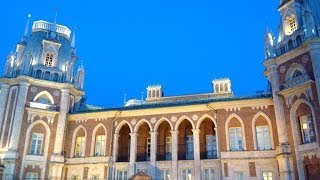
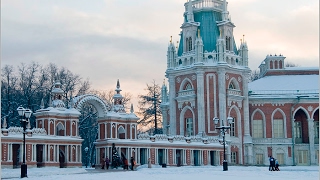
Госуда́рственный исто́рико-архитекту́рный, худо́жественный и ландша́фтный музе́й-запове́дник «Цари́цыно» - одно из самых больших музейно-выставочных учреждений г. М_ и крупнейший музей-заповедник в гор. Он включает в себя Ц. дворцово-парковый ансамбль с комплексом дворцовых построек, Ц-скими прудами и пейзажным парком. Тер_ музея-заповедника с 1998 г входит в состав особо охраняемой природной тер_ «Царицыно».Tsaritsyno museum and reserve in Moscow in the park of the same name. The estate is known from the late 16th century, when it belonged to Tsarina Irina, sister of Tsar Boris Godunov. At that time it was called Bogorodskoye. In the 17th century it belonged to the Streshnevs and then to the Galitzines. In 1775, when the estate was bought by empress Catherine the Great, it received its present name, which means "Tsarina's". In 1776-85 architect Vasili Bazhenov built a new palace for the Empress here, but in 1786 Catherine ordered it to be partly pulled down. Until 1797 architect Matvey Kazakov was working on the construction, but the palace remained unfinished. Currently, in Tsaritsyno there are a history and architecture museum, a landscape park with an adjacent forest, an art museum, the Biryulyovo dendropark, and a cascade of the Tsaritsyno ponds. Bazhenov's "Opera House", 1776-78. The 18th-century architecture ensemble was built (though not finished) following the order of Catherine II in pseudo-Gothic style, after projects of the Bazhenov and Kazakov, and it is the only 18th-century architectural ensemble of such dimensions in Russia. Around the palace, in the park there are a number of pavilions, pergolas, arbours, artificial grottos, decorative bridges (early 19th century, architect I. Yegotov), and a Russian Orthodox temple "Source of Life", as well as a modern recreation center with an upscale restaurant. For a long time most buildings were ruined (and alpinists used them for training). Recently most buildings have been "completed": rooftops, interiors and decorations have been added and their historical appearance has been altered. A number of buildings house the Russian museum of folk and applied art. The atrium of the "Bread House" is used for concerts of Moscow musicians. The park grounds contain the group of burial mounds that belong to the Early Slavs tribe Vyatichs dated to the 11th-13th century.
Похожие видео
Мой аккаунт