

Friday, 12 June, 2026г.










Где искать: по сайтам Запорожской области, статьи, видео ролики
пример: покупка автомобиля в Запорожье
Ralli Quilt
 У вашего броузера проблема в совместимости с HTML5
Throughout history, Asia has been known as a place producing the best in textiles. The art of making fabric from cotton was first perfected here, in the ancient southern part of this subcontinent. The Romans even sent traders to this area to get fine fabrics for their togas. Womenfolk in the Indus Region of the subcontinent, presently the domain of an independent sovereign state of Pakistan have traditionally been the harbingers of this historical tradition. A particular type of such beautiful textiles produced in the area is the Ralli Quilts.
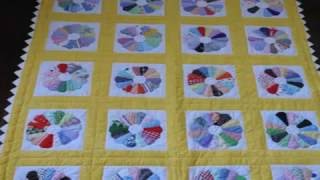
Ralli, the beautiful handicraft from Sindh in Pakistan exhibits the wide array of cultural beauty. Its intricate patterns show the creativity, the skill and dexterity of the Sindhi artisans which places the area among the culturally rich lands of the world.Sindhi rallis are beautiful and colorful. They are cluster of patchwork and or embroidery. Used also as bed linen Sindhi ralli is made with multicolored pieces of cloth stitched together in attractive designs. The color combinations and unique patterns speak for the aesthetic sense of its creator. The designs vary from floral motifs, waves and images of animals or trees. Many handicrafts of great beauty like cushion covers, embroidered shirts; wall hangers and mirror worked handbags are also made in ralli style mainly in Umarkot and Tharparkar area of Sindh.
Rallis are commonly used as a covering for wooden sleeping cots, as a floor covering, storage bag, or padding for workers or animals. In the villages, ralli quilts are an important part of a girl's dowry. Owning many ralli quilts is a measure of wealth. Rallis are made from scraps of cotton fabric dyed to the desired color. The most common colors are white, black, red and yellow or orange with green, dark blue or purple. For the bottoms of the rallis, the women use old pieces of tie-dye, ajrak or other shawl fabric. Ralli quilts have a few layers of worn fabric or cotton fibers between the top and bottom layers. The layers are held together by thick colored thread stitched in straight lines. The women sit on the ground and do not use a quilting frame.
The number of patterns used on ralli quilts seems to be almost endless, as there is much individual expression and spontaneity in color within the traditional patterns. The three basic styles of rallis are:
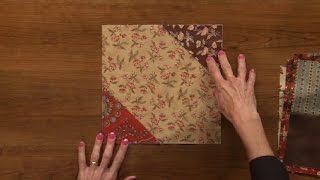
1) patchwork made from pieces of cloth torn into squares and triangles and then stitched together,
2) appliqué made from intricate cut out patterns in a variety of shapes, and
3) embroidered quilts where the embroidery stitches form patterns on solid colored fabric.
A distinguishing feature of ralli patterning in patchwork and appliqué quilts is the diagonal placement of similar blocks as well as a variety of embellishments including mirrors, tassels, shells and embroidery.
Every ralli quilt tells a story. It tells of the natural creativity and love of color and design of the women who create them. Every ralli tells the story of the strength of tradition. The basic designs and motifs of rallis have been passed from mother to daughter and woman-to-woman for maybe thousands of years.
Source:
http://www.ishraqi.com
Background track taken from:
Latcho Drom - A documentary film by Tony Gatlif (http://www.imdb.com/title/tt0107376/)
Теги:
ralliquilt ralli quilt rilli thar quilting handmade tharparker sindh pakistan rajasthan india gujarat wonders of pakistan ishraqi ralli quilt latcho drom
Похожие видео

Мой аккаунт