

Monday, 03 August, 2026г.













Где искать: по сайтам Запорожской области, статьи, видео ролики
пример: покупка автомобиля в Запорожье
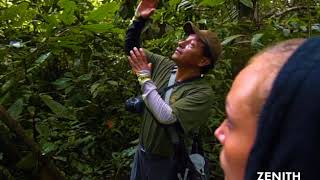
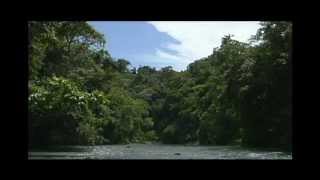
RAW: Ecuador promotes biodiversity in national park
 У вашего броузера проблема в совместимости с HTML5
The Yasuní National Park in the Amazon rainforests in eastern Ecuador may have more species of life than anywhere else in the world.
Deep in the heart of Ecuador's Amazon basin, in the shadows of the Andes and below the equator, lies what may be the most biologically diverse place on the planet.
Here, the Yasuní National Park is home to millions of species of plants, birds, insects and mammals.
Whether they are humongous kapok trees, hairy tarantulas, jumping spider monkeys or fierce jaguars, the diversity of organisms inhabiting Yasuní is astonishing.
There is no definitive answer to the question of why or how Yasuní became so biologically diverse. Yet, the causes may include its high annual rainfall or low variation in temperatures.
The park has also been called “an ecological bull’s eye,” due to the fact that it sits at the base of the Andes, along the Amazon and close to the equator, where three distinct ecological systems converging to create a wholly unique area.
As awareness of the immense biodiversity of Yasuní has increased throughout the world, it has also led to an explosion of ecotourism.
According to Ecuador’s Ministry of Tourism, ecotourism can be a valuable conservation method, bringing much-needed dollars, awareness and jobs to the area.
With many different travel lodges operating in the area under strict guidelines, there’s an opportunity for the adventure of a lifetime.
Похожие видео


Мой аккаунт