

Friday, 17 July, 2026г.
















Где искать: по сайтам Запорожской области, статьи, видео ролики
пример: покупка автомобиля в Запорожье
Southern California Symposium Final Project: Educational Equity
 У вашего броузера проблема в совместимости с HTML5
Southern California Symposium Final Project
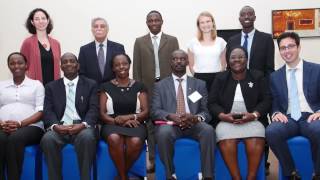
Team 3: Educational Equity
Rachel Barbosa, City of South El Monte
Hilda Marella Delgado, Maria Elena Durazo for State Senate
Melody Winter Head, Federal Reserve Bank of San Francisco
John Bwarie, Stratiscope
The 2018 Symposium cohort is composed of 26 visionary leaders from a range of industries across public, private, and nonprofit organizations.
About the Southern California Symposium:
Even for a place well-practiced at reinvention, Southern California faces an uncertain future. The climate and the demography have shifted. A deep transformation has reshaped the economy. The landscape itself is in flux as we reimagine where we live and how we move.
The USC Price Center for Social Innovation’s executive education program—the Southern California Symposium— challenges local leaders to think deeply and collaboratively about the region’s future and to develop long-term solutions. The Symposium is emerging as an important venue for deliberation and innovation, its alumni serving as an interconnected and diverse cohort of change makers.
The participants, 20-25 in all each year, are selected from public service, politics, business, the arts, philanthropy and NGOs to represent a variety of interests, geographies, talents and experiences. Students bring issues they grapple with in their civic and professional lives to the Symposium and collaborate in the search for solutions. Upon successful completion of the program, students receive an Executive Education Certificate in Social Innovation from USC.
The Symposium meets for four weekend sessions from February to May, midday Friday through Saturday afternoon. Each session features interaction with a nationally recognized NGO leader or advocate. There are intimate exchanges with panels of local policy makers, and learning sessions with prominent scholars on housing, transportation, economic development and health care. In addition, students participate in an extended scenario-building exercise led by Spitfire Strategies. They learn social innovation strategies from top practitioners and receive communications coaching from The Goodman Center.
Between sessions, students’ engagement and learning continues online. Working in small groups, students undertake case studies with hands-on instruction by USC faculty. Presentations on those projects, which take on specific policy challenges, are featured at a fifth session, an evening event in early June that completes the program.
The Southern California Symposium emphasizes a search for solutions that draw together the public, private and NGO sectors and that aim for scalability and sustainability through social innovation and social entrepreneurship. At the heart of our approach is a conviction that transformational change should benefit society at large, rather than individual segments or individuals, and that such change occurs by challenging assumptions, equilibria and structures that are too often taken for granted.
Теги:
USC Price USC Sol Price School of Public Policy USC Public Policy Southern California Symposium Center for Social Innovation Southern California nonprofit social innovation Rachel Barbosa Hilda Marella Delgado Melody Winter Head John Bwarie Educational Equity equity Maria Elena Durazo Federal Reserve Bank of San Francisco Stratiscope
Похожие видео



Мой аккаунт