
Saturday, 06 June, 2026г.



Где искать: по сайтам Запорожской области, статьи, видео ролики
пример: покупка автомобиля в Запорожье
Soviet Vorkuta
 У вашего броузера проблема в совместимости с HTML5
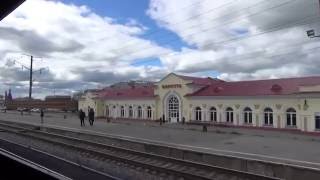
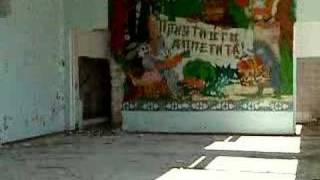
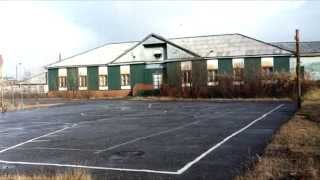
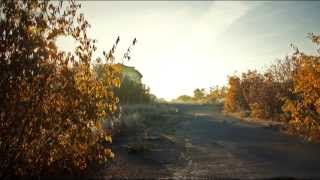
Former Gulag places visited by Latvian researchers in 1990.
Vorkuta is a coal mining town in the Komi Republic, Russia, situated just north of the Arctic circle in the Pechora coal basin, at 67°30′N 64°02′E. Its population as of the 2002 census was 84,917. It had its origin in one of the more notorious forced labour camps of the Gulag which was established in 1932.
In 1941 the town and the labor camp system based around it were connected to the rest of the world by a prisoner-built railroad linking Konosha and Kotlas, and the camps of Inta. Vorkuta became a city on November 26, 1943. It was the largest centre of Gulag camps in European part of the USSR and served as administrative centre for a large number of smaller camps and sub-camps, among them Kotlas, Pechora, and Izhma (modern Sosnogorsk). In 1953 the town witnessed a major uprising by the camp inmates, in the so-called Vorkuta Uprising. Like other camp uprisings (such as the Kengir uprising), it was bloodily quelled by the Red Army and the NKVD. Afterwards, in the 1950s, many of the Gulag camps were disbanded. However, it is reported that some in the Vorkuta area continued to operate into the 1980s
Materiāli videofilmai "Inta-Vorkuta" tika iegūti 1989. un 1990. g totalitārisma noziegumu pētnieka Alfrēda Geidāna organizētajās ekspedīcijās uz bijušajām Komi reģiona gulaga nometnēm. Filmas fragmenti vairākkārt tika rādīti Latvijas TV programmās, filma tika izplatīta trimdas latviešu vidē ASV un Kanādā.
Похожие видео
Мой аккаунт