

Saturday, 15 August, 2026г.
















Где искать: по сайтам Запорожской области, статьи, видео ролики
пример: покупка автомобиля в Запорожье
WRAP Ticket collectors strike amid warnings of double dip recession; analyst
 У вашего броузера проблема в совместимости с HTML5
(16 Feb 2011)
1. Wide pan empty platforms at Sao Bento Station
2. Wide of waiting hall
3. Mid of passengers looking at screen showing cancellations
4. Close up of sign warning of problems in circulation due to strike
5. Wide of passengers waiting
6. SOUNDBITE (Portuguese) Paula Carvalho, passenger, vox pop:
"I think that they are right to strike to show that we don't agree with everything the government does. So although I am being affected I agree because we can't be silent. The Portuguese have this habit of remaining quiet."
7. Wide of passengers waiting
8. Wide pan Pedro Arroja financial analysts headquarters
9. Wide of chief investment officer of financial consultancy company 'Pedro Arroja' at his desk
10. SOUNDBITE (English) Ricardo Arroja, CIO chief investment officer of financial consultancy company 'Pedro Arroja':
"There was some improvement last year, around November, December in the public primary deficit which stopped deteriorating and in that sense, associated with all the cost-cutting measures which will take place this year, I would say that there is a very strong likelihood that our overall public deficit will in fact be decreased and that by year end we might be on target."
11. Close up Arroja
12. SOUNDBITE (Portuguese) Ricardo Arroja, CIO chief investment officer of financial consultancy company 'Pedro Arroja':
"The IMF wouldn't implement a very different programme from the one that has been already foreseen. Probably cuts would be more serious, therefore I don't anticipate that the programme would be much different from the one already implemented. Although for certain, from a symbolic point of view, the intervention of the IMF would mean a loss of sovereignty."
13. Close up exterior Pedro Arroja sign
STORYLINE:
Commuters in Portugal faced a second consecutive day of misery on Wednesday as train ticket collectors walked off the job, forcing the cancellation of most rail services after engineers staged a strike the previous day.
The national rail company said around 80 percent of trains were cancelled.
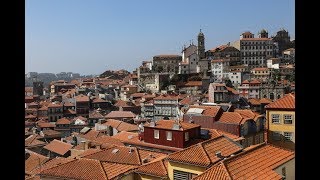
At Sao Bento station, in the northern city of Porto, platforms were quiet as the majority of the regional trains coming into the station were cancelled.
Hundreds of thousands of Portuguese were being affected by this latest stoppage but some supported the striking workers.
"I think that they are right to strike to show that we don't agree with everything the government does," said commuter Paula Carvalho in Porto.
"Although I am being affected I agree because we can't be silent. The Portuguese have this habit of remaining quiet," she added.
Portugal's financial concerns were slightly improving however after the positive sale of Treasury bills earlier in the day.
The financially troubled country raised euro 1 billion (b) (1.35 billion (b) US dollars) in the sale, earning some respite from recent market pressure.
Investors charged Portugal an interest rate of 3.987 percent in Wednesday's Treasury bill sale.
That was up from 3.7 percent two weeks ago but lower than the 4.03 percent in January.
Ricardo Arroja, an analyst at financial consultancy firm Pedro Arroja, said that the auction was successful and that the country has so far done enough to stave off an intervention from the International Monetary Fund (IMF) and the sovereignty issues it would raise.
"I don't anticipate that the (IMF) programme would be much different from the one already implemented. Although for certain, from a symbolic point of view, the intervention of the IMF would mean a loss of sovereignty," Arroja explained.
Portugal is one of the 17-nation eurozone's frailest members and is widely tipped to need financial help to dig it out of a debt crisis dogging it for almost a year.
You can license this story through AP Archive: http://www.aparchive.com/metadata/youtube/df3914092cb37f45ba15ab5ce33130e8
Find out more about AP Archive: http://www.aparchive.com/HowWeWork
Теги:
AP Archive 676006 df3914092cb37f45ba15ab5ce33130e8 Portugal Economy Portugal Porto Western Europe
Похожие видео



Мой аккаунт