

Friday, 21 August, 2026г.














Где искать: по сайтам Запорожской области, статьи, видео ролики
пример: покупка автомобиля в Запорожье
yazeed ki mout ka waqia in urdu
 У вашего броузера проблема в совместимости с HTML5
Some scholars regard Yazid as a just, noble, religious and administratively efficient ruler and that his nomination by his father Muawiya as caliph was proper.[16] Notable contemporaries such as Ibn Abbas and Muhammad bin Hanfia regard Muawiya's nomination of Yazid as sincere and proper as Muawiya genuinely believed that Yazid had the qualifications of being the leader of Muslims.[17]
Muslim tradition regards Caliph Yazid I as a tyrant who was responsible for three major actions during the Second Fitna that were considered atrocities: the death of Husayn ibn Ali and his followers at the Battle of Karbala, considered a massacre; the aftermath of the Battle of al-Harrah, in which the troops of Yazid's general, Muslim bin Uqbah al-Marri, pillaged the town of Medina; and the burning of the Kaaba during the siege of Mecca, which was blamed on Yazid's commander Husayn ibn Numayr.[18][19][20][21][22][23][24][25]
That view was summed up with the following evaluation of Yazid by a scholar from the Abbasid era:
He was strong, brave, deliberative, full of resolve, acumen, and eloquence. He composed good poetry. He was also a stern, harsh, and coarse Nasibi. He drank and was a reprobate. He inaugurated his Dawla with the killing of the martyr al-Husayn and closed it with the catastrophe of al-Harrah. Hence the people despised him, he was not blessed in his life, and many took up arms against him after al-Husayn such as the people of Madînah - they rose for the sake of Allâh
Теги:
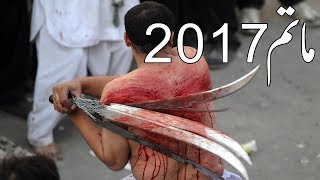
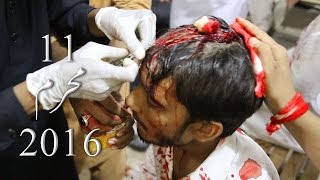
yazeed ki mout yazeed ki mout ka waqia yazeed ki mout ka waqia in urdu yazeed ka anjam shimar ki qabar waqia karbala waqia e karbala waqia e karbala in urdu history of karbala war in urdu history of karbala in urdu sunni Zanjeer ka Matam talvaar ka matam why shia do matam e Hussain shia matam in karbala shia matam history shia girls matam shia women matam Shia Matam in Lahore Shia Matam in iraq Shia Matam inq karbala karbla matm
Похожие видео
Мой аккаунт